Chipotle Just Showed You How to Buy Back Traffic Without Buying It 2
Chipotle posted positive transaction growth in Q1 2026. That sounds like a corporate press release win, and sure, their IR team is thrilled.
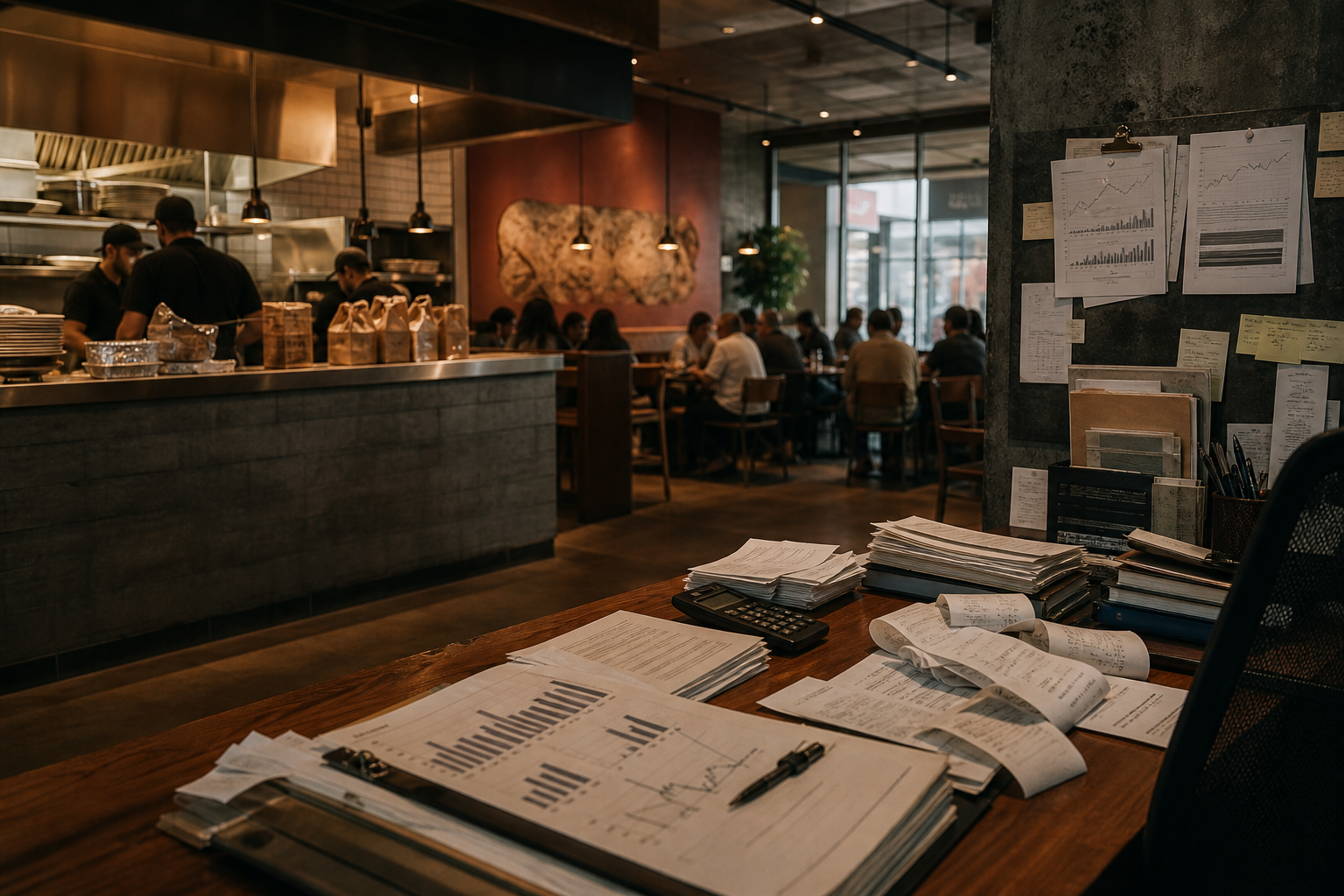
Chipotle posted positive transaction growth in Q1 2026. That sounds like a corporate press release win, and sure, their IR team is thrilled. But if you run two locations or twelve, what happened inside that result is worth more than anything your POS dashboard told you last month. They did not discount their way back. They did not launch a value meal. They added a protein, ran a targeted LTO, and let the food do the work. That is the playbook. The question is whether you are paying attention to it.
The broader casual and fast-casual category spent most of 2024 and early 2025 chasing traffic with deals. Percentage-off combos, BOGO pushes, app-exclusive discounts that trained guests to wait for the next one. Some of it moved the needle short-term. Most of it compressed margins and left operators with a guest base that only shows up when the price is low enough. Chipotle did not play that game, and their Q1 numbers are the receipt. If you are trying to rebuild traffic at your locations right now, this is the moment to study what they did and figure out what version of it fits your operation.
The Protein Move Was Not an Accident
Chipotle brought back Chicken Al Pastor as a limited-time protein, and it drove real incremental visits. Not because it was cheap. Because it was different, specific, and gave existing guests a reason to come back sooner than they otherwise would have. That is the mechanics of a well-executed LTO: it does not replace your core menu, it creates a new occasion on top of it.
For your operation, the lesson is not "add a new protein." The lesson is that your most loyal guests already know your menu cold. They are not coming in more often because nothing has changed. A targeted protein addition, a seasonal preparation of something you already run, a limited-time format of a core item, any of these can create a pull that discounting never does. Discounting tells your guest the food is not worth full price. A new protein tells them there is something worth trying before it is gone.
The other thing worth noting: Chipotle's protein additions work because their base platform is consistent. Every location builds the bowl the same way. The LTO drops into a system that already runs clean. If your kitchen execution is inconsistent across your locations, an LTO will expose that faster than anything else. Before you run a limited-time item, make sure the thing it sits on top of is locked in.
Targeted Beats Broad Every Time
Chipotle did not run a national TV blitz for Chicken Al Pastor. They leaned into their loyalty program, pushed through digital channels, and let social amplification do the heavy lifting. The targeting was tight. They were talking to people who already had the app, already had a purchase history, already had a reason to care.
You probably do not have Chipotle's loyalty infrastructure. But you have something they did not have when they were your size: flexibility. You can run an LTO at two locations and not run it at three others. You can test a new item in your highest-traffic unit before you commit to training across the board. You can text your regulars directly, post in your neighborhood Facebook group, hand a card to every guest who orders your top-selling item this week. The targeting tools available to a 10-unit operator are genuinely good right now. The operators who are winning with LTOs are not the ones with the biggest budgets. They are the ones who are precise about who they are talking to and why.
Broad promotions are expensive and hard to measure. A targeted LTO with a clear guest segment, a defined window, and a specific item is something you can actually learn from. Did it drive incremental visits or did it just shift existing visits to a different item? Did new guests come in or was it all regulars? Those answers shape your next move.
Traffic Without Price Cuts Requires a Different Kind of Discipline
Here is the uncomfortable part. Rebuilding traffic without competing on price means you have to be patient in a way that discounting does not require. A deal moves people this week. A menu innovation builds a reason to visit over a longer arc. Operators who have been running promotions for 18 months straight are going to feel the absence of that immediate spike when they shift strategy.
Chipotle had the brand equity and the unit economics to hold the line on price while investing in menu development. You may not have their margin structure, but you have something they cannot replicate at scale: the ability to make a guest feel like your restaurant specifically is worth coming back to. That is a local advantage. A new LTO item that your staff is genuinely excited about, that your regulars talk about, that your neighborhood associates with your specific location, that is a traffic driver that does not erode your price integrity.
The discipline is in the execution. An LTO that runs too long stops being limited. An item that is hard to execute consistently will hurt you more than help you. A promotion that nobody on your team believes in will not get sold from the floor. The operators who pull this off are the ones who treat menu innovation like an operational decision, not a marketing one. They train for it, they time it, and they end it before it gets stale.
What the Q1 Numbers Actually Mean for Your Next 90 Days
Chipotle returning to positive transactions in Q1 2026 is a signal, not just a result. It tells you that guests are willing to visit more often when the reason is the food, not the price. It tells you that protein-forward LTOs have real pull with the current consumer. And it tells you that the operators who held their pricing integrity through the discount wars of the past two years are now in a better position than the ones who trained their guests to wait for a deal.
Your next 90 days should include at least one limited-time item that gives your best guests a reason to come in before they otherwise would. It should be something your kitchen can execute consistently across every location running it. It should be targeted at guests who already know you, not a broad acquisition play. And it should have an end date you actually stick to.
Chipotle figured this out at scale. You can figure it out faster.