Not Every Price on Your Menu Should Move the Same Way
Your costs are up, but raising the price of a customer's usual order again could give them a reason to visit less often.
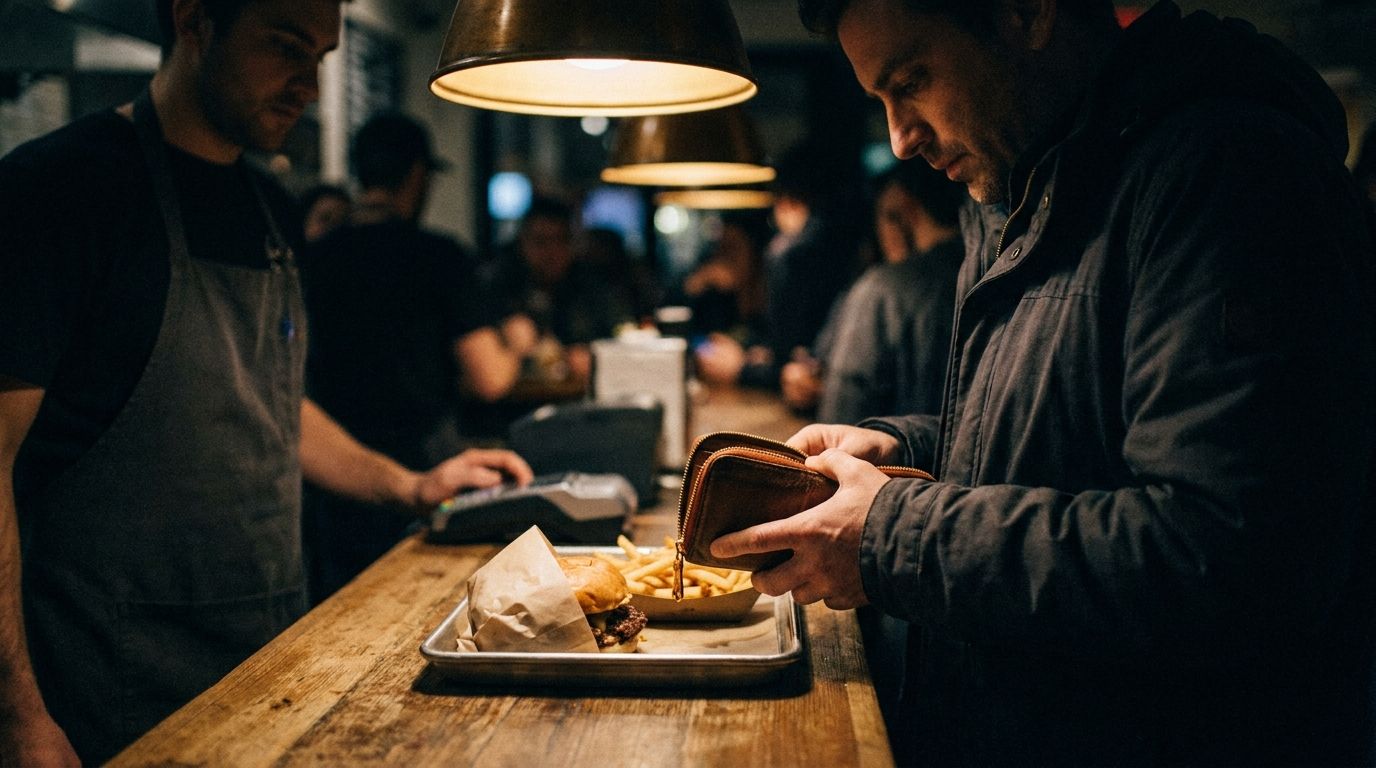
Your costs are up, but raising the price of a customer's usual order again could give them a reason to visit less often.
In brief: A menu price's useful life depends partly on how often customers encounter it, not just how long it has been in place. Frequent customers can use a remembered price to judge whether your restaurant still offers good value. Before raising a familiar item again, compare its price history with nearby alternatives and consider how the change will look to someone who orders it regularly.
Your regular customers remember the old price
A reference price is the amount a customer remembers or expects to pay and uses to judge the price in front of them.
You compare the current price with your current cost. A regular customer may compare it with what they remember paying.
QSR Magazine's discussion of menu-price life spans identifies purchase frequency as an important reason customer memory matters. It also notes that an increase can communicate more than the additional amount charged.
Someone buying your burger three times a week repeatedly encounters the same item, the same price and roughly the same experience. That frequency is an example; the evidence establishes no measured threshold for price memory. Each purchase gives the customer another chance to learn what that meal should cost.
Another dollar can raise a question beyond affordability: "Why does this keep getting more expensive?"
Customers may react this way, though the evidence does not establish how quickly they memorize prices or how much damage a particular increase causes. It does support considering purchase frequency before changing a price. Customers can carry their expectations from one menu update to the next.
A familiar burger deserves closer review than an item your customers buy occasionally. Consider both how long its price has been in place and how often customers have paid it.
Your new price has more than one comparison
According to Nation's Restaurant News, restaurant menu prices rose 3.5% in September 2026, outpacing grocery-price growth and wage growth, though running slower than overall inflation.
Those figures provide context for your decision. Setting your burger's price still requires a closer look at the choices available to your customers.
Customers can compare your new price with what they paid before, a nearby restaurant or eating at home. Those alternatives matter alongside the costs you need to cover.
If you run several locations, the comparisons can differ by neighborhood. The same burger price may sit close to nearby alternatives at one location and above them at another. A company-wide increase is easy to administer, though customer acceptance may vary by location.
Each comparison answers a different question:
- Your own previous price: What might a returning customer remember paying? Check nearby alternatives separately to see whether they have become more attractive.
- A comparable nearby item: What could the customer choose instead? Compare items with reasonably similar sizes, included sides and ordering methods.
- The wider market trend: Which way are restaurant prices moving? Local comparisons are still needed to assess what customers around a particular location will tolerate.
When reviewing nearby competitor pricing, compare dining-room prices with dining-room prices. A delivery listing represents a different offer and can distort the comparison.
Review the price without committing to an increase
Treat a review date as a chance to decide whether a price change makes sense. Leave room to hold the price even when an increase was the reason for the review.
Start with items customers are likely to use when judging your restaurant's overall value. A frequently ordered main dish, a familiar lunch combination or a regular breakfast purchase all deserve attention. Your order history can identify popular items, though it cannot prove which prices customers remember.
Holding a familiar item's price preserves a stable comparison for returning customers while leaving you to absorb the pressure from higher costs. Raising it adds revenue per order if purchasing behavior stays the same, but asks regular customers to accept a visible change to a known purchase.
You could also offer a genuinely different option, with a clear difference in size, ingredients or included items. That adds complexity. Customers can also still notice an increase on the original item.
If you change only the burger's description, customers receive the same burger and contents for more money. Any separate option needs a difference they can identify in what they receive.
This week, make a location-by-location record of proposed changes to familiar items. Include the previous price, when it changed, what the customer receives and what comparable nearby restaurants charge.
Before approving an increase, use that record to check how recently regular customers faced the last one. A proposed price deserves another look if it follows a recent increase and puts the item above comparable nearby offers. The record can help you make that judgment, though it cannot guarantee acceptance.
Frequently asked questions
How often should a restaurant raise menu prices?
Assess price increases against your current costs, customer purchase patterns, price history and comparable nearby offers. Schedule reviews with the option to leave prices unchanged. Frequently purchased items deserve particular attention because regular customers have repeated opportunities to remember their prices. The evidence cited here does not establish a universal safe interval between increases.
What is reference pricing on a restaurant menu?
Reference pricing describes how customers judge a menu price against an amount they remember or expect. That comparison might come from a previous visit, a nearby restaurant or another familiar purchase. For a regularly ordered item, your own old price may be especially relevant. A new price can change the customer's judgment of value even when the item itself stays exactly the same.
Should all my restaurant locations have the same prices?
Matching prices across locations makes administration and customer communication simpler, though local alternatives can differ. Different prices can reflect nearby choices while creating more complexity and questions from customers who visit multiple locations. This week, compare familiar items location by location. Check each proposed price against the previous price and comparable nearby offers before deciding where to make a change.