QSR Value Wars Bought Traffic and Sold Off Retention
Your comp report probably looks good. Traffic is up at the chains in your market radius; check averages are compressed, but covers are moving, and the value messaging coming out of the majors has been loud enough that...
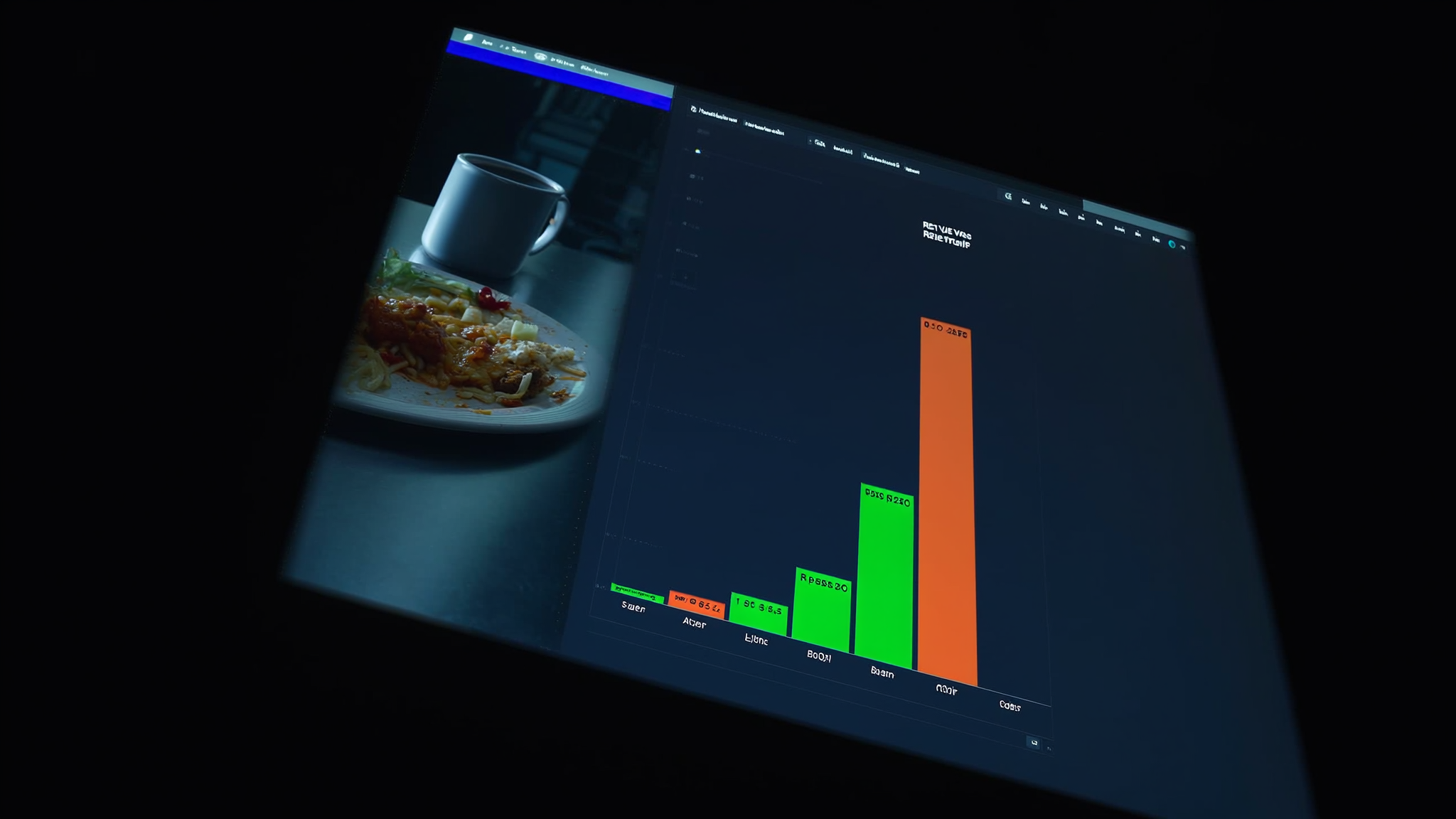
Your comp report probably looks fine. Traffic is up at the chains in your market radius, check averages are compressed but covers are moving, and the value messaging coming out of the majors has been loud enough that even your non-QSR guests have noticed. What the comp report does not show you is what happened to the repeat visit rate underneath all that transaction volume. That number moved too, and it moved the wrong direction. repeat-visit rate was eroding because the transaction line was still rising
Across 15 of 18 major QSR chains tracked over the past two years of sustained value promotion, transactions climbed while customer retention dropped an average of 1.69 points. That is not a rounding error. That is a structural shift in who is walking through the door and why, and it has direct implications for any operator running two to twenty locations in a market where those chains set the price expectation for a meal.
Traffic Is Not the Same Thing as a Guest Base
A 1.69-point retention drop sounds like a dashboard metric until you translate it into covers. If a location does 400 covers a day and retention falls by that margin, you are not just losing occasional visitors. You are losing the frequency multiplier on your most reliable segment. The guests who came in three times a month and now come in twice are invisible in a transaction count. They do not show up as a loss. They show up as flat, and flat feels acceptable until you run the math on what that frequency compression does to your annual revenue per guest.
The QSR chains solved a short-term problem with value promotions. They needed to move covers during a period when consumers were pulling back on discretionary spend, and the promotions worked on that metric. But the guest who comes in for a four-dollar meal deal is not the same guest who comes in because they trust your product and your experience. One of those guests is price-shopping across your entire comp set. The other one is yours. Two years of value wars trained a significant portion of the QSR traffic pool to behave like the first type.
What This Does to Your Check Average Assumptions
If you are a fast casual or an independent QSR operator, you have been competing for the same lunch and dinner day-parts as the chains running these promotions. Your check average is probably sitting somewhere above theirs even on a normal day. During a value promotion cycle, that gap widens in the consumer's mind even if your actual price-to-portion relationship is competitive. You are not just competing on food. You are competing against a trained expectation that a meal at a QSR price point should cost less than it did eighteen months ago.
The retention data tells you something useful here. The guests who churned away from the chains during this period didn’t go elsewhere; they went home and cooked. You have a positioning problem that no amount of local marketing can fix got. The elsewhere, dollars, you have a positioning problem that no amount of local marketing can fix. TheTheelsewhere, dollars, you have a positioning problem that no amount of local marketing can fixThe guests who churned away from the chains during this period didn’t go elsewhere; they went home and cooked.didn’t go elsewhere; they went home and cooked. It all goet all go home and cook. Some of them landed somewhere else, and they landed based on a value perception that was reset by two years of aggressive discounting. If your average ticket is twelve dollars and the chain down the street spent two years telling the market that a satisfying meal costs five, you have a positioning problem that no amount of local marketing fixes. What fixes it is understanding which guests in your current cover mix came to you because of your product and which ones came because you were the next cheapest option when the chain promotion ended.
Retention Is the Metric Your Comp Set Is Not Watching
Here is what makes the 1.69-point drop significant for your operation specifically. The chains that ran these promotions were optimizing for transaction counts, not retention. Their field teams were measured on covers. Their franchisees were measured on comp sales. Nobody in that system had a strong incentive to flag that the repeat visit rate was eroding, because the transaction line was still moving up.
That means your comp set, right now, is sitting on a retention problem they have not fully priced into their operrepeat-visit rate was eroding because the transaction line was still risingoperating assumptions. Repeat-visit rate was eroding because the transaction line was still risingoperating assumptions. Repeat-visit rate was eroding because the transaction line was still risingating assumptions. The value-driven traffic they bought over the past two years is not loyal. It is available. And available traffic moves to whoever is offering the best deal in the day-part. When the promotional pressure eases, and it will ease because no chain can hold a negative-margin value item on the menu indefinitely, that traffic is going to redistribute. Some of it will go back to habit. Some of it will go wherever the next promotion is. And some of it is genuinely up for grabs by an operator who has been building actual retention while the chains were buying transactions.
What Retention Actually Looks Like in Your Operation
Retention in a restaurant is not a loyalty program metric. It is whether the same faces show up on Tuesday that showed up last Tuesday. It is your regulars at the counter who order before you ask. It is the family that does Friday dinner with you because Friday dinner with you is a habit, not a decision. Those covers are worth more than their ticket average because they are not price-sensitive in the same way a promotion-chasing guest is. They are also the covers that hold your P&L together when a competitor runs a limited-time offer and your transaction count dips for three weeks.
The chains spent two years acquiring guests who behave like the opposite of that. Low retention, high price sensitivity, no attachment to the brand beyond the current deal. They bought those covers at a margin cost and now they own a guest mix that is harder to hold than the one they started with. If you have been running your locations with any consistency on product quality and service speed, your retention profile is probably better than theirs right now. The question is whether you know that, and whether you are making decisions based on it.
Your comp set does not have this information yet. They are looking at transaction counts that still look acceptable and they are not seeing the retention erosion underneath. You are seeing it now.