What Does the Historic Cattle Herd Low Mean for My Menu Margins?
The U.S. cattle herd is at historically low levels not seen in generations
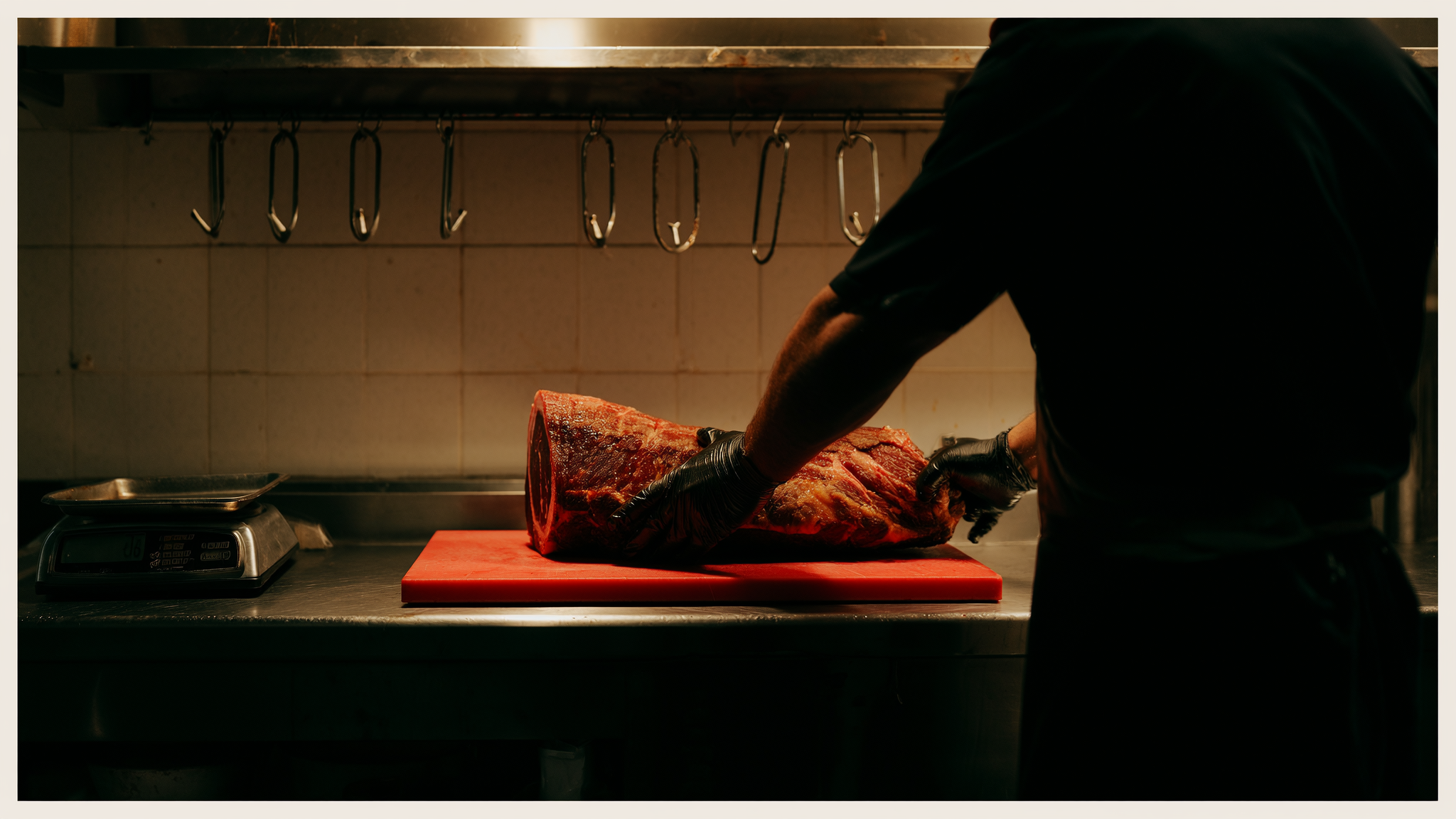
The U.S. cattle herd is at historically low levels not seen in generations, and ground beef prices have risen meaningfully year over year. If your concept runs on burger builds, brisket plates, or beef-forward LTOs, your food cost percentage is climbing on the items your covers depend on most, and the structural conditions driving that climb are not going to reverse in a single procurement cycle.
In brief: The U.S. cattle herd is at historically low levels, pushing ground beef prices significantly higher year over year and creating a structural cost problem for operators whose menus are anchored in beef. Unlike a seasonal spike, herd rebuilding takes years, meaning operators cannot wait for prices to normalize. Multi-unit operators with 2 to 20 locations need to audit which menu items are carrying the most cover volume at the worst margin, then decide now whether to reprice, reposition, or replace those anchors before the cost pressure compounds further.
---
The Problem Is Structural, Not Cyclical
A cattle cycle is not a commodity blip. Herd rebuilding takes years. Ranchers who liquidated during drought conditions do not restock overnight, and the animals that are born today do not reach slaughter weight for a significant period after that. That timeline means the supply constraint showing up in your beef invoices this quarter is the same one you will feel through most of 2027, at minimum.
A structural cost increase is one where the input price rises because of a supply condition that cannot be corrected quickly, regardless of demand. That is the situation beef is in right now.
For a single-unit operator, this is a margin problem. For a multi-unit operator running 5 to 20 locations, it is a margin problem multiplied across every cover, every day-part, and every location where beef is an anchor protein. If your best-selling item is a smash burger or a brisket sandwich, you built your cover count around the item that is now the most expensive to protect.
---
Your Comp Set Is Watching the Same Invoice, and Some of Them Are Already Moving
According to the National Restaurant Association, 50% of restaurant operators reported same-store sales increases between May 2025 and May 2026. That number sounds stable until you look at what is underneath it: operators who held price are seeing traffic erosion, and operators who raised price are seeing check average gains that mask flat or declining cover counts.
The split in your comp set right now is not between operators who are doing well and operators who are struggling. It is between operators who have already adjusted their beef-forward items and operators who are still waiting for costs to normalize before they act.
According to DoorDash's Q2 2026 State of Local Commerce, restaurant prices kept rising in Q2 2026 even as household goods showed relative stability. That divergence is landing directly on your guests, who are now making active comparisons between what they spend at your restaurant and what they spend at the grocery store. A Bain report cited by Modern Restaurant Management found that 41% of U.S. consumers planned to cut spending on restaurants and cafes. That is the demand environment your repriced beef items are walking into.
Raising the price on your burger is not automatically wrong. But doing it without knowing what your comp set within a 3-mile radius is charging for a comparable build is how you lose the price-sensitive segment of your lunch day-part without understanding why traffic dropped.
---
The Margin Math on Beef Anchors Is Getting Harder to Ignore
Your beef-forward items are almost certainly your highest-volume items. They are anchors because they sell. But high volume on a deteriorating margin item does not help you; it accelerates the damage.
If ground beef costs have risen meaningfully year over year and you have not adjusted your menu price or your build, your food cost percentage on that item has moved. Depending on your original margin structure, a significant input increase on a protein that represents 35 to 40% of your plate cost can push a 28% food cost item to 31% or higher without a single other thing changing on your P&L.
According to Restaurant Finance Advisors, the cost of operating a restaurant is higher than ever even when protein prices appear to stabilize, because fixed and semi-fixed costs (labor, occupancy, utilities) have not come down. Beef cost is compounding on top of a cost structure that was already under pressure.
The operators managing this well are not necessarily the ones with the best purchasing contracts. They are the ones who identified which items were structurally exposed and made deliberate decisions about each one, rather than waiting for the quarterly P&L to confirm what the invoice already told them.
---
Three Moves Worth Evaluating Before Q3 Closes
This is not about abandoning beef. It is about knowing which items on your menu are carrying the most risk and deciding intentionally what to do with each one.
- Reprice the anchor: If your burger is underpriced relative to your comp set, a price adjustment is defensible and may not move covers. But you need comp set data, not just your own cost sheet, to know whether you have room.
- Reposition the build: Reducing beef weight on a burger, or shifting a brisket plate toward a mixed protein format, can recover margin without a visible price change. Execution matters; a poorly executed reformulation will show up in ticket times and guest feedback before it shows up in your food cost report.
- Add a non-beef anchor: Not as a replacement, but as a margin counterweight. If 70% of your covers are ordering beef-forward items, you have concentration risk. A well-priced chicken or pork option that carries a lower food cost percentage gives your mix somewhere to go when guests start making value decisions.
According to Numerator's Spring 2026 Menu Moments analysis, consumers responded strongly to menu innovations that felt new without being unfamiliar. A non-beef anchor does not have to be a departure from your concept. It has to feel like it belongs.
Understanding how your guests are making value decisions right now, and how that behavior is shifting across day-parts, is exactly the kind of signal that separates operators who adjust early from operators who adjust late. Platforms built around restaurant demand intelligence exist specifically to surface those shifts before they show up as a traffic problem.
---
The Operators Who Know First Will Adjust First
The cattle herd does not rebuild on your timeline. The operators in your market who are already running comp set pricing analysis on their beef items, and who understand which day-parts are most exposed to guest price sensitivity, are not waiting for their food cost percentage to confirm what the invoice already told them.
You now have the same information they have. The question is what you do with it before your Q3 covers tell the story for you.
---
Frequently asked questions
How long will beef prices stay high due to the cattle herd shortage?
Cattle herd rebuilding is a multi-year process. Animals liquidated during drought or high-cost periods take a significant amount of time to reach slaughter weight after ranchers begin restocking. The current herd is at historically low levels, which means meaningful supply recovery is unlikely before 2027 at the earliest. Operators should plan for sustained elevated beef costs rather than waiting for a seasonal correction that is not coming on a short timeline.
How does a significant beef price increase affect my food cost percentage?
The impact depends on your plate composition, but if beef represents 35 to 40% of your plate cost and your baseline food cost on that item is 28%, a meaningful input increase can push that item to 30 to 31% food cost without any other changes. Across high-volume beef anchor items at multiple locations, that margin erosion compounds quickly and will not show up clearly until your monthly or quarterly food cost report, by which point the damage is already done.
Should I raise menu prices on my burger or change the build to protect margin?
Both are legitimate options and the right answer depends on your comp set pricing within your market radius. If your burger is already at or above what comparable concepts in your area charge, repricing risks cover loss in price-sensitive day-parts like lunch. Adjusting the build (protein weight, format, or accompaniments) can recover margin without a visible price change, but execution has to be tight or you will see it in guest feedback before you see it in your food cost.
What menu items should I add to offset beef cost exposure?
The goal is not to replace beef but to reduce concentration risk. Chicken and pork typically carry lower food cost percentages and are less exposed to the current cattle supply constraint. According to Numerator's Spring 2026 research, guests respond well to menu additions that feel familiar rather than foreign to the concept. A non-beef anchor that fits your existing flavor profile and price tier gives your sales mix somewhere to shift when guests start making value comparisons.
How do I know if my comp set has already repriced their beef items?
You need to be running regular comp set audits within your market radius, not just checking your own invoices. This means physically visiting or ordering from competitors, tracking their menu prices on a quarterly basis, and noting when items change in size, format, or price. Most operators find out their comp set moved when their own traffic shifts, which is the worst time to learn it. The operators with an information advantage are the ones auditing their market proactively, not reactively.