Your Beverage and Dessert Prices Are Probably 12 Months Behind the Market
Your entree prices got the attention. Your beverage and dessert prices got ignored.
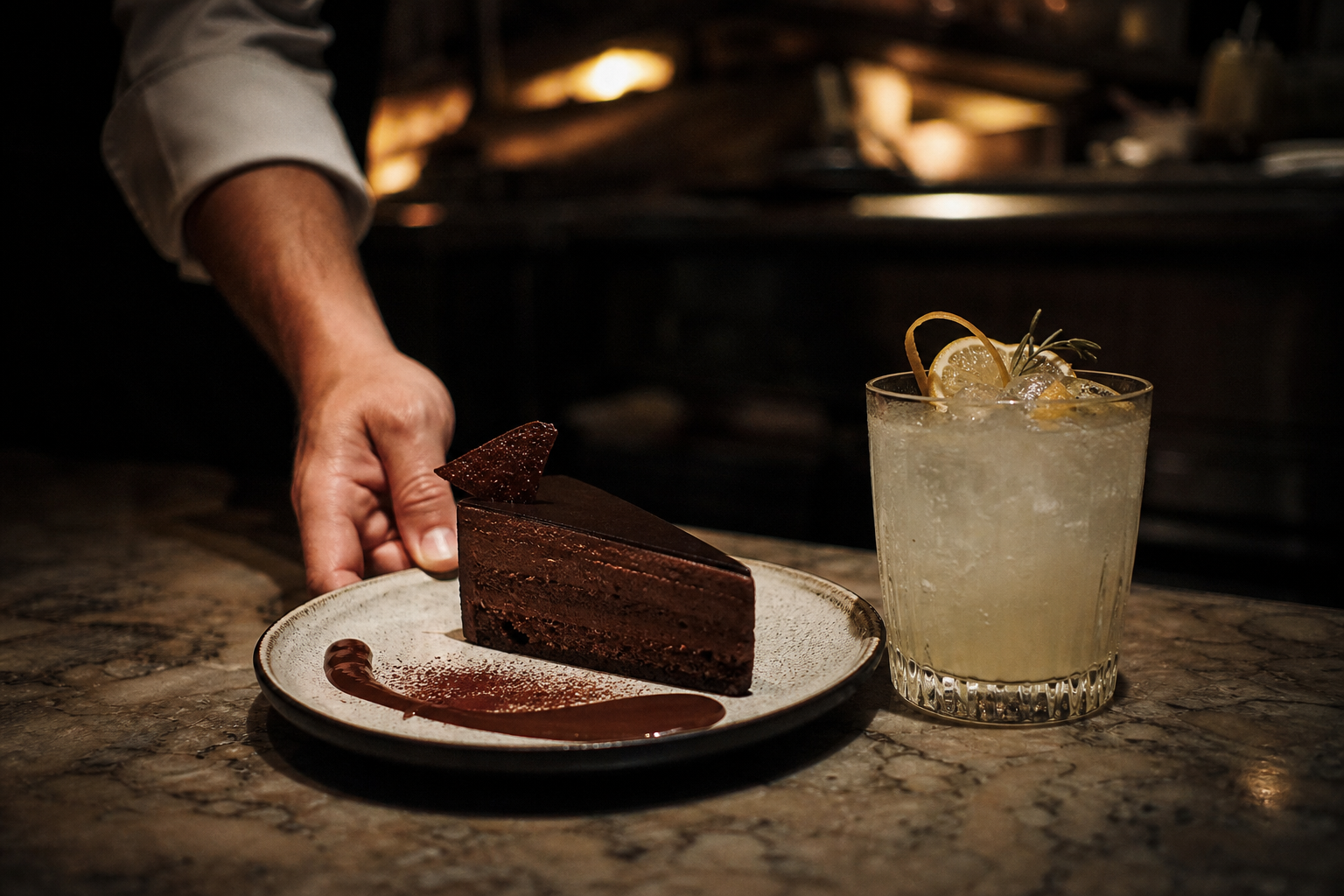
Your entree prices got the attention. Your beverage and dessert prices got ignored. That gap is now costing you margin on the two categories where guests push back the least and your food cost is already lowest.
In brief: Beverage and dessert prices rose 5 to 7 percent year over year across full-service and limited-service restaurants, while entree prices moved far less, according to recent menu pricing data. Operators who haven't touched their drink and dessert menus in the last 12 months are underpricing the categories with the least guest resistance and the highest inherent margin. A $0.50 increase on a non-alcoholic beverage that costs you $0.30 to produce lands differently on your P&L than the same dollar move on a protein-heavy entree. The operators already acting on this are capturing margin their comp set is not, without changing a single recipe.
---
The Data Your Comp Set Is Already Reading
According to Datassential's Menu Price Tracker, from May 2025 to May 2026, non-alcoholic beverage prices rose roughly 5 percent across both full-service and limited-service restaurants. Desserts moved at a similar clip. Entrees, the category that draws the most operator anxiety and the most guest scrutiny, barely moved in comparison.
That spread is not accidental. The operators driving those averages figured out something straightforward: guests anchor on entree prices. They scan the menu, find the protein, and form their value judgment there. A lemonade that moved from $4.50 to $4.75 does not register the same way a burger moving from $16 to $17 does, even though the margin math on the lemonade is far more favorable.
Toast's June 2026 transaction data shows coffee up 7.1 percent year over year. Coffee is a high-frequency add-on with a food cost that sits well below most proteins. Operators in every segment have been moving it, and guests have been absorbing it.
If your comp set is already 5 to 7 percent higher on beverages and desserts and you are not, you are not holding the line on pricing. You are subsidizing your guests' experience relative to every restaurant within your market radius.
---
Why Beverages and Desserts Are the Low-Resistance Move
The resistance argument is the one that keeps operators from acting. You have raised entrees twice in 18 months and you do not want another guest complaint about prices. That caution makes sense for your center-of-plate items. It does not apply the same way to your back half of the check.
Consider the food cost structure. A non-alcoholic beverage, fountain or otherwise, runs food cost percentages that most operators would not believe if they saw them on a protein line. A dessert produced in-house or finished from a par-baked component sits in a similar range. When you raise the price of either category by $0.50 to $0.75, the incremental margin on that dollar flows through at a rate your entree pricing cannot match.
The guest behavior data supports this too. Datassential's reporting frames the beverage and dessert category explicitly as a lower-visibility pricing lever, meaning guests are less likely to notice or react to price movement there than they are on entrees. That is not a theory. It is showing up in the transaction data across thousands of locations.
The practical implication for a multi-unit operator is straightforward. If you run 8 locations averaging 200 covers a day, and 60 percent of those covers attach a non-alcoholic beverage, a $0.50 increase on that beverage generates roughly $175,000 in additional annual revenue before you touch a single entree. That math changes depending on your attach rate and your day-part mix, but the direction does not change.
---
What to Check Before You Move Prices
Before you reprice anything, pull your current beverage and dessert prices against your two or three closest comp set restaurants. Not your aspirational comp set. The places your guests actually consider when they are deciding where to spend a Tuesday dinner or a Saturday lunch. Price increases in categories where guests already anchor less on value generate revenue without triggering the defection or comp set retaliation you see when entrees move.
A few things worth checking in your own numbers before you act:
- Attach rate by day-part. Your lunch covers may attach beverages at a different rate than your dinner covers. A price move that works at dinner may affect attach rate at lunch if your lunch check average is already tight.
- Dessert attach rate by server. In a multi-unit operation, dessert attach varies significantly by location and by who is running the table. A pricing move on desserts matters less if attach rate is already low. Fix the suggestive selling problem first, then move the price.
- Beverage mix. If a significant portion of your beverage revenue is alcoholic, your pricing dynamics are different. Cocktail pricing has its own comp set sensitivity. Non-alcoholic beverages are the cleaner move.
The 2026 State of the Restaurant Industry Mid-Year Report surveyed more than 420 operators representing nearly 10,000 locations and found that food and labor cost pressure remains the defining operational challenge of the year. Beverage and dessert repricing does not solve a labor problem, but it does create margin headroom that gives you more flexibility on the cost side without requiring a traffic increase.
---
Act Before Your Next Menu Reprint
The operators who moved on beverage and dessert pricing in the last six months are already banking the margin difference. The ones who move in the next 60 days will still capture most of the benefit. The ones who wait until their next full menu reprint cycle, which for many multi-unit operators means waiting until Q1, are leaving 12 months of margin on the table.
A targeted price adjustment in beverages and desserts does not require a full menu overhaul and can be executed at the location level without disrupting your broader pricing strategy. The market has already moved in these two categories, guest resistance is demonstrably lower than on entrees, and your food cost structure makes every incremental dollar count more. Pull your comp set prices this week, identify the gap, and make the adjustment before the quarter closes.
If you want to understand how real-time menu pricing intelligence fits into this kind of decision, Ticket is built for exactly that kind of operator visibility.
---
Frequently asked questions
Why are beverage and dessert prices rising faster than entree prices?
Operators are using beverages and desserts as lower-visibility pricing levers because guests anchor their value perception on entree prices. A $0.50 increase on a fountain drink or a dessert generates less guest pushback than the same move on a protein-heavy entree. According to Datassential, non-alcoholic beverage prices rose roughly 5 percent from May 2025 to May 2026, reflecting a deliberate industry-wide shift toward pricing the back half of the check more aggressively.
How much margin difference does beverage and dessert repricing actually make for a multi-unit operator?
The math depends on your cover count, attach rate, and day-part mix, but the food cost structure makes it favorable. Beverages and desserts carry significantly lower food cost percentages than center-of-plate items, so incremental revenue from price increases flows to margin at a higher rate. For an 8-location operator averaging 200 covers daily with a 60 percent beverage attach rate, a $0.50 increase can generate roughly $175,000 in additional annual revenue without touching entrees.
How do I know if my beverage and dessert prices are already at market?
Pull the current menu prices from your two or three closest comp set restaurants, the ones your guests actually consider, not your aspirational comp set. Compare them directly against your own prices by category. If you are below market on non-alcoholic beverages or desserts, you have room to move. If you are already at or above, hold and focus on attach rate instead.
Will raising beverage and dessert prices hurt my guest attach rate?
The data suggests attach rate is more sensitive to suggestive selling and server behavior than to modest price increases in these categories. Datassential's research frames beverages and desserts as lower-visibility categories, meaning guests are less likely to notice or react to price movement there. That said, check your attach rate by day-part before moving prices. Lunch covers with tight check averages may respond differently than dinner covers.
When is the right time to reprice beverages and desserts?
Now, if you are below market. The operators who moved in the last six months are already capturing the margin difference. Waiting until your next full menu reprint cycle means leaving 12 months of incremental margin unrealized. A targeted price adjustment in these two categories does not require a full menu overhaul and can be executed at the location level without disrupting your broader pricing strategy.