Your Sales Look Fine. Your Guests Are Quietly Ordering Down.
You raised prices. Your dining room is still busy.
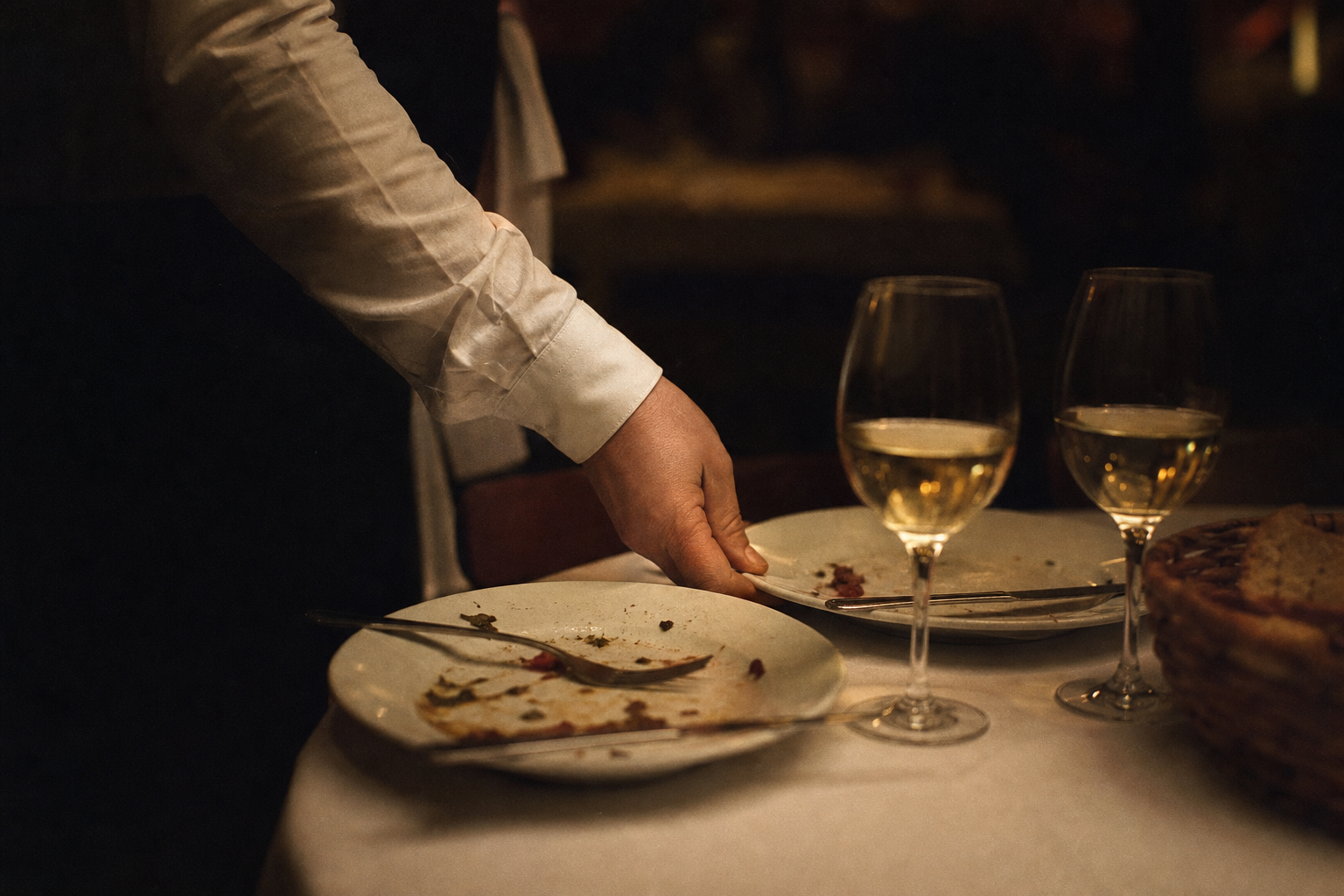
You raised prices. Your dining room is still busy. Revenue is holding. So why does something feel off?
In brief: Price fatigue is real, but the threat it poses to most restaurants right now is not an empty dining room. It is a shrinking average order value, as guests who keep showing up quietly swap premium items for cheaper ones. Data by Toast via LocalNews8 surveyed U.S. diners about rising menu prices and found that guest skepticism has kept climbing — but not in the way that shows up in a restaurant's traffic numbers. That gap between what guests say and what they do is where your margin is quietly leaking. The operators who see it first can act on it; the ones who wait for a traffic drop will have already lost the check average battle.
Price fatigue is the point at which a guest continues to visit a restaurant but changes their ordering behavior to offset the cost, choosing cheaper items, skipping add-ons, or cutting drinks, rather than reducing how often they come in.
---
What the Data Actually Says About Guest Behavior Right Now
The headline finding sounds alarming. Data by Toast, surveyed via LocalNews8, found that a large share of diners report price increases have negatively affected their restaurant sentiment — but that guest skepticism has not shown up in the way you might expect in traffic numbers. Guests are not staying home. They are walking through your door and making different decisions once they get there.
This is not a contradiction. It is a coping mechanism. When prices feel high, guests do not always vote with their feet. They vote with their order. They skip the appetizer. They drink water instead of a cocktail. They choose the $14 sandwich over the $22 bowl. Your kitchen stays busy, your dining room looks full, and your sales report shows a number that does not immediately raise a flag. But your average order value is drifting down, and if you are running two to twenty locations, that drift compounds fast.
According to Modern Restaurant Management, restaurant traffic remains soft at the industry level, with quick-service restaurants among the segments seeing notable declines. The mix shift inside visits is where the real story lives.
---
The Quiet Trade-Down and Why It Is Hard to Catch
A traffic drop is easy to see. You count fewer people, you run fewer orders, your sales fall. A trade-down is harder. The dining room looks the same. The kitchen is just as busy. But the revenue per order is shrinking, and unless you are watching item-level mix alongside your total sales number, you will not catch it until the margin damage is already done.
Here is what trade-down looks like in practice:
- Guests who used to order an entree plus a drink now order just the entree
- Guests who used to add a side or a starter now skip it
- Guests who used to order your mid-tier or premium protein now choose the base option
- Alcohol attachment rates fall without any corresponding drop in customer count
None of these show up as a traffic problem. All of them show up as a margin problem. And the operators most exposed are the ones running locations where a meaningful share of revenue comes from add-ons, beverages, or premium menu tiers, which, at most full-service and fast-casual concepts, is most of the revenue.
According to Restaurant Finance Advisors, 48% of restaurants have already stopped raising prices, not because costs came down, but because they hit a ceiling where further increases risked exactly this kind of behavioral shift. The ones still raising prices are betting that traffic holds. The smarter bet is watching what happens to the mix when it does.
---
What Your Competitors Are Doing About It
Some chains have already figured this out and moved. CAVA and Sweetgreen, according to Drillr, deliberately kept their cumulative price increases below inflation from May through August 2026, and both linked that restraint to improving traffic trends among lower-income customers. Wendy's, which took a different approach, saw pressure at the other end of that spectrum.
The lesson is not that you should freeze your prices. The lesson is that the brands gaining ground right now are the ones treating pricing as a traffic and mix tool, not just a margin lever. They are watching what guests order, not just whether guests show up.
For independent and regional operators running two to twenty locations, the competitive risk is specific: chains have teams dedicated to reading item-level mix shifts across thousands of locations in near real time. They see the trade-down signal early and respond with targeted promotions, limited-time offers on higher-margin items, or strategic price adjustments on the items guests are most sensitive to. You are working with the same sales reports you have always had, and those reports were not built to surface this kind of signal.
The operators who close that gap, who get to the item-level mix data before their competitors do, are the ones positioned to respond while there is still time to act.
---
What to Watch This Week
You do not need a new system to start. You need to look at the right numbers in the ones you already have.
Pull your item-level sales mix for the last 60 days and compare it to the same period last year. You are looking for:
- Items in your premium or add-on tier that are selling fewer units even as total order count holds steady
- Beverage attachment rate per order, especially alcohol if you serve it
- Any shift in the ratio of your lower-priced items to your higher-priced items within the same category
If your average order value is down but your customer count is flat, you have a trade-down problem, not a traffic problem. Those require different responses. A traffic problem calls for awareness, promotions, or value signaling to bring people in. A trade-down problem calls for menu engineering, upsell training, or strategic bundling to change what people order once they are already there.
The distinction matters because the wrong response makes things worse. Running a discount to drive traffic when your dining room is already full just accelerates the margin erosion. Running a bundle that makes a higher-value order feel like the obvious choice, that is the move that actually works.
Your guests are telling you one thing in surveys and doing something slightly different in your dining room. The operators who read the behavior, not the sentiment, are the ones who will protect their margins through the rest of this cycle. That information is sitting in your sales data right now. The question is whether you look at it before your competitors do.
---
Frequently asked questions
What is price fatigue in restaurants?
Price fatigue in restaurants is the point at which guests continue visiting but change what they order to offset higher costs, choosing cheaper items, skipping add-ons, or cutting drinks rather than visiting less often. It shows up as a declining average order value rather than a drop in customer count, which makes it harder to catch in standard sales reports.
How can I tell if my guests are trading down instead of leaving?
Compare your item-level sales mix over the last 60 days to the same period last year. Look for a drop in units sold on premium or add-on items even when total order count is flat. If your average order value is falling but your dining room is still busy, trade-down is the likely cause, not a traffic problem.
Should I stop raising menu prices to prevent trade-down?
Not necessarily. The decision depends on your specific cost structure and competitive position. What the data suggests is that pricing restraint can protect mix and traffic among price-sensitive guests. Brands like CAVA and Sweetgreen held increases below inflation from May through August 2026 and saw improving trends among lower-income customers as a result. Blanket price freezes are not the answer; targeted pricing by item and category is.
Why do guests say prices bother them but still keep coming in?
Guests often express frustration in surveys but adapt their behavior rather than stopping visits entirely. It is a coping mechanism. They absorb higher prices by ordering less, not by going less often. This is why sentiment data and behavioral data tell different stories, and why watching what guests actually order matters more than watching what they say.
What is the fastest way to respond to a trade-down trend?
Focus on menu engineering and bundling before reaching for discounts. If guests are skipping add-ons, a bundle that makes the higher-value combination feel like obvious value can lift average order value without requiring a price cut. Discounting when your dining room is already full just accelerates margin loss. Train your team to suggest the bundle, not just take the order as given.