Your steady sales can hide falling guest counts
Your sales look steady, but your managers see fewer dinner guests and fewer extras on each order. Across your locations, that gap can stay hidden until the money left from those sales starts shrinking.
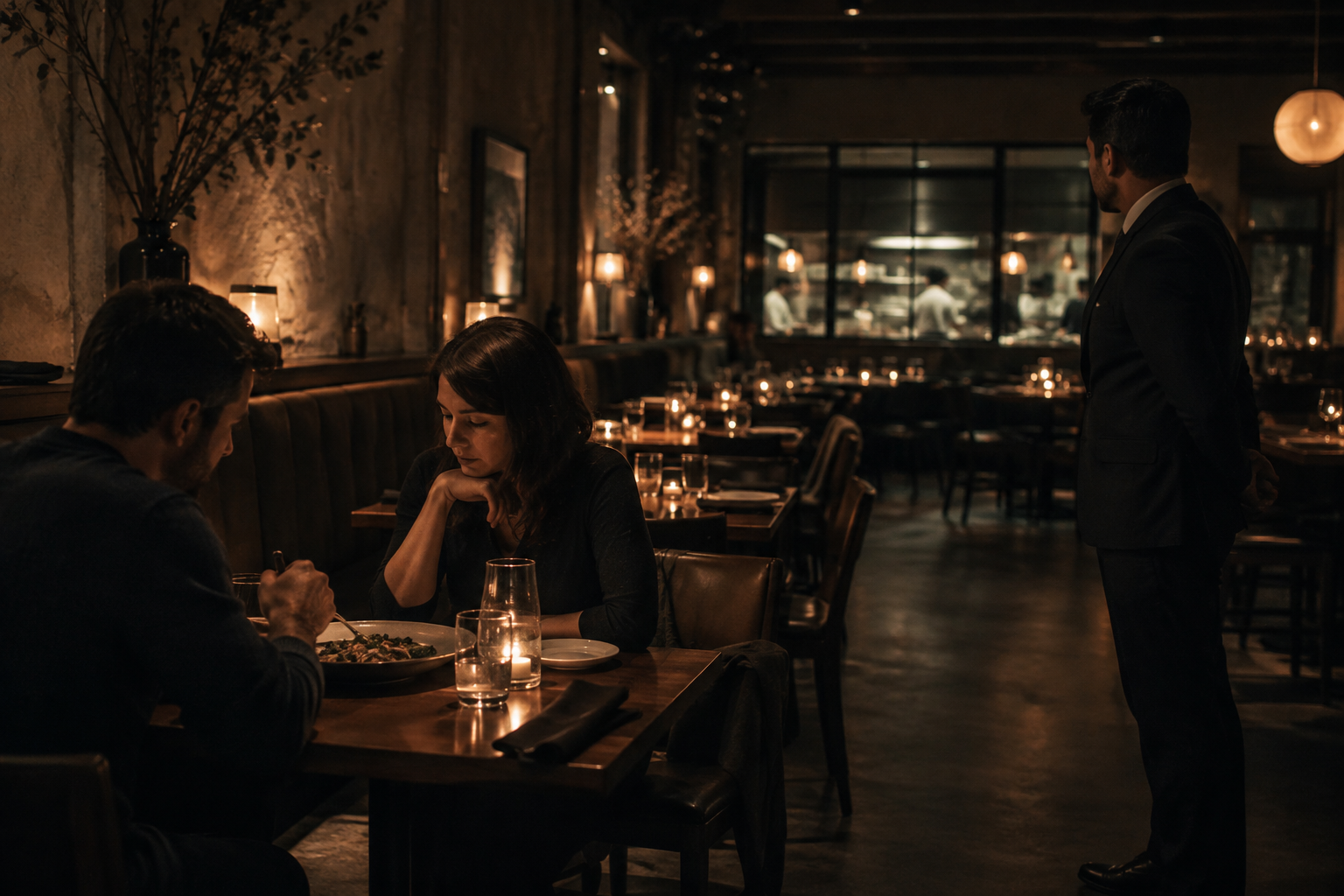
Your sales look steady, but your managers see fewer dinner guests and fewer extras on each order. Across your locations, that gap can stay hidden until the money left from those sales starts shrinking.
In brief: Steady restaurant sales do not prove that guest counts or earnings are holding up. GLP-1 margin exposure depends on whether changes in visits and ordering affect the meals, snacks, and extras that contribute most to your restaurant's earnings. The supplied sources do not establish a GLP-1-specific decline in dinner traffic or a collapse in snacking, so those claims should remain hypotheses rather than forecasts. Your strongest starting point is a location-by-location comparison of guest counts, ordering patterns, and the money left after ingredient costs.
Sales growth can hide a weaker dinner business
Margin exposure is the risk that changes in what customers buy reduce the money your restaurant keeps from its sales.
You do not need a sharp sales decline to face that risk. Higher menu prices can offset fewer visits. More expensive main dishes can offset fewer desserts. A strong lunch business can conceal a weaker dinner business at the same restaurant.
According to MarginEdge's August restaurant sales report, full-service restaurant sales grew 1.97% year over year on a trailing 28-day average. The same report recorded 2.98% growth for fast-casual restaurants. Those are sales figures, not evidence that more guests visited or that restaurants kept more money.
That distinction matters when you assess a possible GLP-1 effect. None of the supplied excerpts measures restaurant visits or snack purchases among GLP-1 users. They cannot support a forecast for your dinner business.
You can examine the risk without guessing its cause.
If guests visit less often, choose smaller meals, or skip extras, your exposure depends on what disappears. Losing an order that leaves little after ingredient costs is different from losing an order that leaves substantially more. Losing a dessert from an otherwise unchanged dinner order is different from losing the entire visit.
Your restaurant's records can establish whether these changes are happening. They cannot establish which guests take medication or why someone skipped dessert.
Keep those questions separate. Find out what guests are buying differently before trying to explain why.
Find the hours and items your earnings depend on
A combined sales total across your locations is too broad for this decision. Start with each restaurant, then separate breakfast, lunch, dinner, and purchases between meals where relevant.
Compare matching weekdays and similar operating conditions. Holidays, closures, promotions, and changes in opening hours can otherwise look like shifts in demand.
For each period, examine:
- Guest counts and order counts: Track them separately where reliable records exist. An order may serve several people.
- Average spending: Check whether higher prices, different purchases, or larger orders explain the change.
- What guests buy together: Look for changes in drinks, sides, starters, and desserts alongside main dishes.
- Sales minus ingredient costs: Calculate the dollars left for each item, then consider how many you sell. This remainder is not profit; other expenses still need to be paid.
Do not assume snacks or smaller dishes leave little money because their prices are low. Your best-selling dinner item may generate the most revenue without leaving the most money after ingredients.
Ask which purchases are declining and how much money those purchases usually leave. A steady sales total will not answer that.
Read nearby competitors' changes with the same care. A new smaller meal or a revised dinner bundle is evidence of an offer, not proof that it works. Keep tracking nearby competitors' menu prices alongside your own ordering patterns. Their decisions are not a substitute for your results.
When you find a change in purchasing, weigh the tradeoffs:
- Keep the menu unchanged: You avoid disrupting a successful offer, but this only makes sense if guest counts and the money each item leaves remain healthy.
- Test a smaller portion: This may suit guests seeking less food, but the price and ingredient quantity must leave enough money per order. Smaller does not automatically mean more profitable.
- Rework a meal bundle: You can make the full purchase easier to understand, but discounting extras may reduce earnings from guests who already bought them.
- Change how existing choices are presented: Making lighter or smaller options easier to find avoids adding dishes immediately, but presentation alone will not fix an unsuitable price or portion.
A limited test at a comparable location gives you a clearer result than changing every menu at once. Judge it on guest counts, purchases, and dollars left after ingredients, not sales alone.
Measure the change before naming the cause
You do not need to label a sales pattern "GLP-1" to act on it. You need to know whether fewer guests are visiting, whether their purchases are changing, and which changes matter financially.
This week, find the location and meal period where stable sales conceal the largest decline in guests or extras. That gives you a specific problem and a place to test, not a reason to rewrite every menu.
Frequently asked questions
Are GLP-1 drugs reducing restaurant dinner traffic?
The supplied sources do not establish a GLP-1-specific decline in restaurant dinner traffic. They also do not substantiate a collapse in snack purchases among users. For your restaurant, medication-related changes should remain a possible explanation, not a measured cause. Compare dinner guest counts, order counts, average spending, and purchases over comparable periods. Those records can show a business change without revealing why individual guests changed their behavior.
How can restaurant sales rise while guest counts fall?
Restaurant sales can rise when higher prices or more expensive purchases outweigh a decline in visits. Across multiple locations, growth at one restaurant can also conceal falling guest counts at another. Separate sales from guest counts at each location and meal period. Then check whether spending changed because of prices, item choices, or order size. A higher sales total does not establish that demand or earnings improved.
Should my restaurant add smaller portions for GLP-1 users?
Smaller portions are worth considering when your own purchasing patterns or guest requests support them, not simply because a trend receives attention. A test should compare the selling price, ingredient costs, demand, and whether guests switch from an existing item that contributes more money. This week, one location could establish whether a smaller option attracts purchases or merely replaces them. You would then know how your guests respond before nearby competitors can learn that from your public menu.